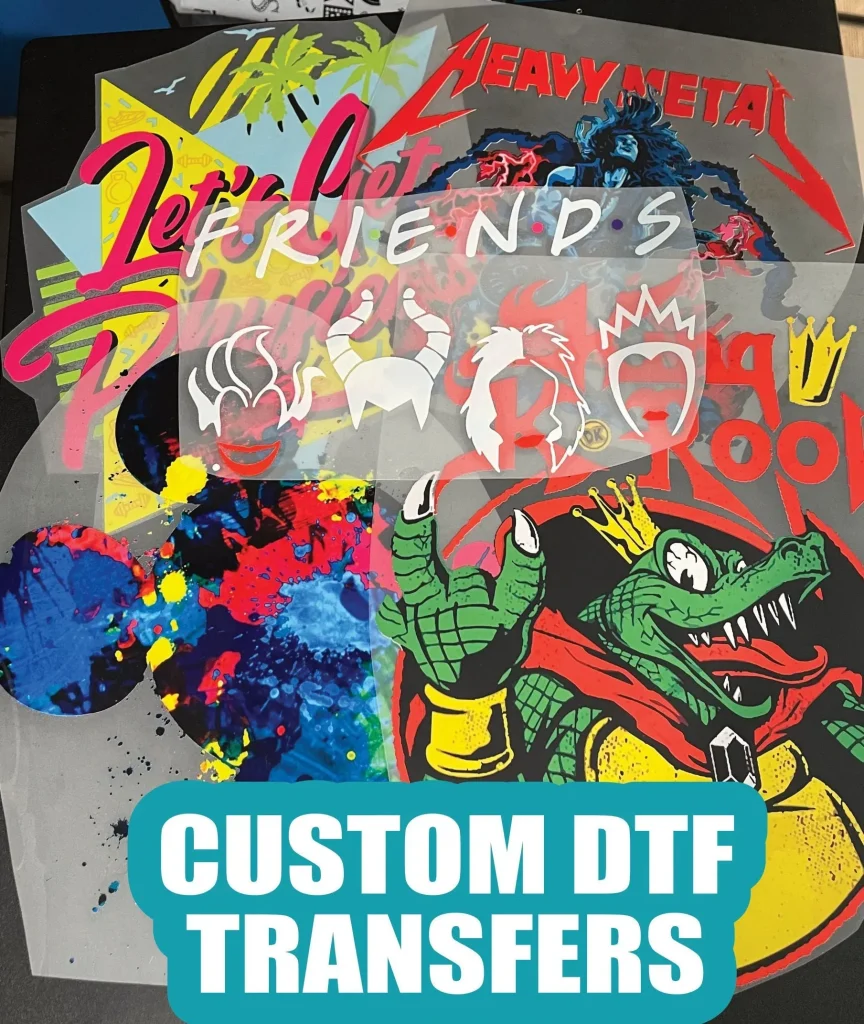
DTF transfers, or Direct to Film transfers, have revolutionized the textile printing industry by providing an innovative method to achieve vibrant, high-quality designs on various fabrics. This cutting-edge technology allows for seamless application and exceptional durability, making DTF printing favorites among enthusiasts and professionals alike. Understanding the DTF print process is essential for anyone looking to enhance their printing capabilities, whether for personal projects or a business venture. By utilizing specialized DTF printing equipment, users can create intricate graphics that stand out, even on dark materials. In this guide, we will explore the advantages of DTF printing and walk you through how to DTF transfer successfully, setting you on the path to printing perfection.
Direct to Film transfer printing is an exciting technique in the world of graphic design and textile customization. This process entails printing artistic designs onto a film which can then be heat-transferred to a range of fabric surfaces, offering a versatile option for custom apparel. With its rise in popularity, many are keen to learn the essentials of executing a successful transfer, including the necessary tools and the step-by-step methodology involved. By understanding the mechanics behind this printing method, you can unlock numerous creative possibilities and produce high-quality products that resonate with your audience. Explore the amazing potential of DTF transfers and discover how they can elevate your custom printing projects.
What is DTF Printing?
Direct to Film (DTF) printing is a revolutionary method in the world of textile printing that allows designs to be printed onto a specialized film before being transferred to fabric. Unlike traditional methods such as screen printing, DTF printing utilizes a unique combination of water-based inks and adhesive powders to achieve vibrant prints that adhere to a variety of materials. This technology enables crafters and businesses alike to produce detailed designs with exceptional color quality even on dark fabrics.
The DTF printing process is not only faster but also offers greater flexibility compared to conventional printing techniques. With DTF, you can achieve intricate designs and gradients without limitations, making it ideal for custom apparel. This capability to work with complex graphics expands the possibilities for artistic expression in fabric printing, making DTF a popular choice among DIY enthusiasts and professional printers.
Essential Equipment for DTF Transfers
To successfully embark on your DTF transfer journey, it is critical to have the right equipment. First and foremost, you will need a DTF printer, which is often a modified inkjet printer that can handle specialized DTF inks. These inks are designed specifically for the DTF print process, ensuring that colors remain vibrant and adhere well to both the transfer film and the final fabric.
In addition to the printer, a high-quality heat press is essential for achieving optimal results. A good heat press allows you to adjust the temperature and pressure settings according to the fabric type and adhesive used. Other equipment includes adhesive powder for binding the print and transfer films, which are crucial for producing high-quality designs. Investing in reliable equipment upfront can greatly enhance the quality and durability of your DTF prints.
Understanding the DTF Printing Process
The DTF printing process is straightforward yet requires attention to detail at each stage. It begins with creating your design using graphic design software, ensuring it is of high resolution so that when printed, every detail is sharp and clear. This step lays the foundation for a successful transfer, as a well-crafted design will directly impact the final print quality.
Once your design is ready, load the DTF transfer film into your printer and print using the specially formulated DTF inks. Following the printing, the tedious yet vital task of sprinkling adhesive powder over the wet ink takes place. This powder enables a strong bond during the transfer process, and it’s critical that it’s applied evenly. After curing the adhesive with a heat press, you can transfer the design onto your chosen fabric, bringing your creative vision to life.
Advantages of Using DTF Transfers
The benefits of utilizing DTF transfers are numerous and make this printing method an attractive option for many users. One major advantage is its versatility; DTF printing can be used on a variety of fabric types, including cotton, polyester, and blends. This enables businesses to cater to different customer preferences and product types, from t-shirts to hoodies.
Moreover, DTF prints exhibit high durability, making them suitable for long-term wear. These prints are resistant to fading even after multiple washes, ensuring that your designs maintain their vibrancy and integrity over time. The cost-effectiveness of DTF printing in producing small batches without excessive waste also highlights its appeal, allowing both hobbyists and larger operations to benefit financially.
Current Market Trends in DTF Printing
The landscape of DTF printing is continuously evolving with technological advancements that improve print quality and efficiency. One notable trend is the growing use of eco-friendly inks, which cater to an audience increasingly concerned about sustainability. As environmental consciousness rises, printers offering green options gain a competitive edge in the market.
Additionally, developments in production methods have increased speed and reduced costs associated with DTF printing. Emerging technologies are allowing for faster drying times and higher throughput, enabling businesses to meet rising consumer demands without sacrificing quality. Staying updated on these market trends is essential for anyone looking to excel in the DTF printing space.
Tips for Beginners in DTF Printing
For those just starting their journey in DTF printing, it’s advisable to begin with an affordable setup. This approach allows you to experiment and assess the demand for custom prints without a significant initial investment. As your skills grow and you understand the market better, you can gradually invest in more advanced equipment to enhance your output quality.
Another key tip for beginners is to prioritize quality when selecting your materials. High-quality DTF inks, films, and adhesive powders will significantly impact the final product’s vibrancy and durability. Engaging with online communities dedicated to DTF printing can also provide valuable insights and assistance, helping newcomers to learn best practices and troubleshoot any challenges they may encounter.
Frequently Asked Questions
What is DTF printing and how do DTF transfers work?
DTF printing, or Direct to Film printing, involves printing designs onto a special film that can be transferred to fabric using heat. The DTF transfer process allows vibrant, high-quality prints on various materials. After printing on the film, adhesive powder is applied, cured with heat, and then transferred to the fabric using a heat press.
What equipment do I need to perform DTF transfers?
To perform DTF transfers, you need specialized DTF printing equipment, including a DTF printer, DTF inks, a heat press, adhesive powder, and transfer film. This equipment ensures precision in printing and durability in the final product.
What are the advantages of DTF printing over other methods?
The advantages of DTF printing include its versatility in printing on various fabric types, high durability of prints even after multiple washes, and cost-effectiveness for small batches. DTF provides more intricate designs and vibrant colors compared to traditional printing methods.
Can I use DTF transfers on different fabric types?
Yes, DTF transfers are highly versatile and can be used on different fabric types including cotton, polyester, and fabric blends. This adaptability makes DTF printing ideal for a wide range of apparel and textile products.
What is the step-by-step DTF print process?
The DTF print process involves five key steps: 1) Design creation using graphic software, 2) Printing the design onto transfer film with DTF inks, 3) Applying adhesive powder to the wet ink, 4) Curing the adhesive using a heat press, and 5) Transferring the design to fabric with heat and pressure.
What tips do you have for beginners starting with DTF transfers?
For beginners in DTF transfers, it’s recommended to start small with an affordable setup, invest in quality materials for inks and films, and engage with online DTF printing communities for support and advice. This foundational knowledge will enhance your printing success.
| Aspect | Details |
|---|---|
| What is DTF Printing? | A method of printing designs onto a special film for transfer to fabric using heat press, offering versatility and high-quality results. |
| Essential Equipment | Includes a specialized DTF printer, DTF inks, heat press, adhesive powder, and transfer film. |
| Printing Process | 1. Design Creation 2. Printing the Design 3. Applying Adhesive Powder 4. Curing the Adhesive 5. Transferring to Fabric |
| Advantages of DTF Transfers | Versatility, high durability, and cost-effectiveness in printing. |
| Market Trends | Advancements in technology and materials, eco-friendly inks, and production efficiency. |
| Recommendations for Beginners | Start small with quality materials and engage with the community. |
Summary
DTF transfers represent an innovative approach to textile printing, allowing users to create stunning, high-quality designs with ease. As you embark on your DTF printing journey, understanding the process and equipment required is crucial to achieving remarkable results. With its versatility and durability, DTF transfers have quickly become essential for both hobbyists and professionals looking to make their mark in the printing industry. By investing in quality materials and engaging with the DTF community, you can maximize your potential and explore endless creative possibilities.