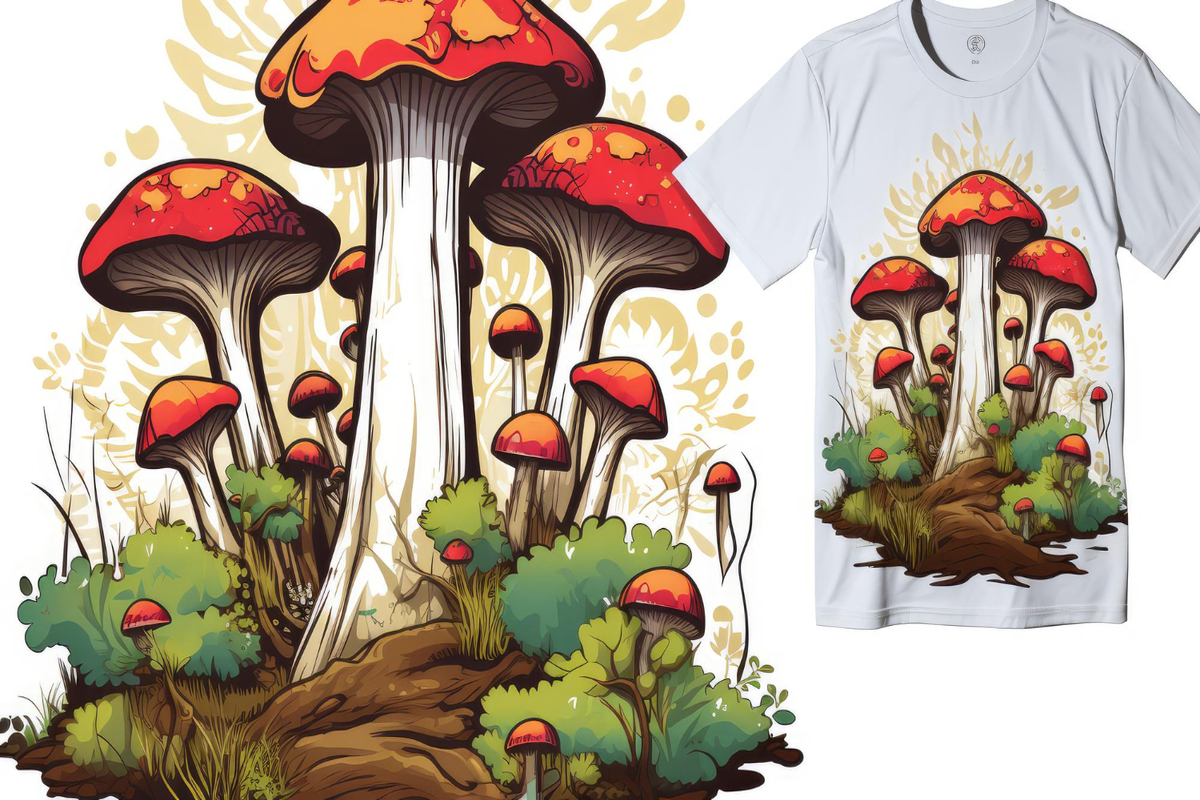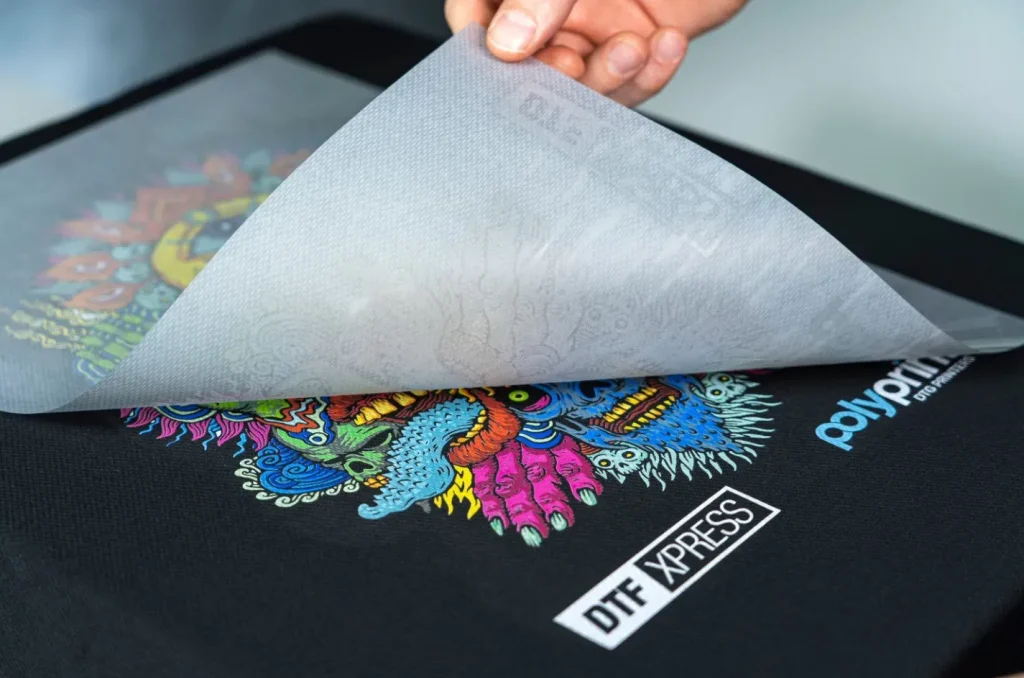
DTF Transfers on Dark Fabrics are transforming how creators print bold, durable designs on apparel, offering a versatile solution that blends vibrant color with a soft hand feel on challenging backgrounds across multiple product lines and apparel types. This approach helps you achieve vibrant ink for dark fabrics that pops against black and navy garments while expanding your design options, enabling gradients, fine lines, and high-resolution imagery without sacrificing texture or comfort. In this guide, you’ll explore DTF transfers on dark fabrics techniques, from selecting the right white underbase and transfer film to optimizing color management, placement, and curing and washing DTF prints to maximize opacity and wash-fastness. Whether you’re a small business owner or a DIY hobbyist, mastering best practices for dark fabric DTF will help you deliver consistent, high-quality results, including practical steps for applying DTF to dark garments, testing on swatches, and documenting your workflow, while considering scalability for batches and potential automation. From material selection and pre-press setup to post-transfer care and troubleshooting, this introduction lays the groundwork for reliable, durable dark-fabric prints that stay bright wash after wash across a range of fabrics, including cotton, blends, and fleece, with notes on heat, dwell time, and calibration.
Other terms you might encounter describe this approach as film-to-fabric transfers for dark textiles, where opacity is built with a white underbase and heat-press accuracy. You’ll hear mentions of DTF printing on dark garments, white-layer strategies, and color-management workflows that all aim for vibrant, durable results. Regardless of terminology, the core ideas center on adhesion, curing, and post-print care to ensure artwork stays bold after repeated washing.
DTF Transfers on Dark Fabrics: Core Concepts and Techniques
DTF transfers on dark fabrics techniques hinge on controlling opacity and color fidelity when printing on black and navy substrates. By combining a solid white underbase with a carefully chosen transfer film and adhesive, designers can achieve bold, opaque color blocks that resist washing and wear. This approach helps ensure that vibrant designs remain legible and crisp even on darker backgrounds, reducing the risk of color bleed or ghosting during the transfer.
To optimize outcomes, color management plays a central role. Colors are designed with the white underbase in mind so that bright hues stay vivid after the transfer. Planning for substrate variability—cotton, blends, and fleece—helps you tailor the thickness of the white layer and the selection of inks to preserve brightness. This is where the concept of vibrant ink for dark fabrics begins: high-contrast palettes, solid fills, and deliberate outlines help the final print pop on dark garments.
Selecting Materials for Dark Fabric DTF Projects
Materials form the foundation of successful dark-fabric DTF work. Choose fabrics that hold seams well and respond predictably to heat, such as cotton and cotton blends, while recognizing that dark heathers and certain blends may require adjusted heat settings. Pre-shrunk fabrics minimize post-print distortion and help keep alignment consistent across runs.
Equally important are the DTF film, adhesive, and white underbase strategy. Use a film designed for dark fabrics paired with an adhesive that bonds firmly yet remains flexible after cooling. Plan for a solid white underbase with appropriate coverage to boost opacity, and precede transfers with a light pre-press to remove moisture and flatten fibers for reliable adhesion.
Designing for Vibrancy: Artwork, Color Management, and Dark Garments
Creating vibrant ink for dark fabrics starts with artwork designed for opacity. High-contrast color combinations, solid fills, and avoidance of translucent tones help preserve brightness once the white underbase is applied. Schedule color-managed test prints on the actual fabric to observe how colors shift with heat and underbase coverage, then adjust color values accordingly to maintain brightness after transfer.
Beyond color, consider the garment’s texture and composition when applying DTF to dark garments. Cotton blends, poly-cottons, and fleece respond differently to heat and adhesives, so you should tailor settings and test across each fabric type. This proactive approach reduces surprises in production and ensures consistent results across orders.
The Transfer Process: Temperature, Time, and Peel Methods
During transfer, precise heat and pressure are critical. Calibrated dwell times, even pressure, and accurate alignment help ensure a strong bond between the white underbase, color layers, and the fabric. The transfer order—white underbase first, followed by color layers—supports maximum opacity on dark substrates and minimizes the risk of color shifting.
Peel methods add another layer of control. Depending on the workflow, operators may choose a hot, warm, or cold peel based on the adhesive and film used. Post-transfer handling, including a controlled cooling period, helps preserve color integrity and bond strength, contributing to the overall durability of the print on dark fabrics.
Troubleshooting and Quality Control on Dark Fabrics
Even with careful planning, issues can arise. Common challenges include fading or dull colors, white underbase gaps, color bleeding, or misalignment. Address these by reassessing opacity requirements, ensuring consistent white coverage, and validating tension and placement with test garments before large runs.
Quality control should be integrated at every step: verify the mirrored print, confirm adhesive compatibility with the fabric, and run small trials to dial in temperature and pressure. When problems occur, refer back to best practices for dark fabric DTF to adjust underbase density, refine color profiles, and improve alignment for future batches.
Care, Longevity, and Post-Processing for Dark Fabric DTF
Care and maintenance extend the life of DTF transfers on dark fabrics. After printing, ensure proper curing so the adhesive fully sets, then educate customers on washing and drying best practices. Turning garments inside out, using mild detergents, and avoiding high-heat drying help preserve color brightness and bond integrity over numerous washes.
Post-processing and customer education further support durability. Provide clear laundering instructions and recommend avoiding chlorine bleach or abrasive detergents. Regularly review and document your workflow to identify opportunities for refining pigment opacity, curing accuracy, and post-care recommendations, ensuring long-lasting vibrancy on dark garments.
Frequently Asked Questions
DTF transfers on dark fabrics techniques: What are the key steps to master for crisp, vibrant results?
Mastering DTF transfers on dark fabrics techniques starts with planning and material choice. Use a dark fabric friendly DTF film and adhesive, design with a dense white underbase to improve opacity, and plan color management for color brightness. Pre press to remove moisture, set a stable heat and time according to the film guide, and use a reliable peel method. Run test prints on the target fabric to confirm alignment, opacity and color.
DTF transfers on dark fabrics: How can you achieve vibrant ink for dark fabrics?
To achieve vibrant ink for dark fabrics the design must account for opacity. Build high contrast colors with bold fills and plan for the white underbase to carry brightness. Test prints on the actual fabric and adjust color values to compensate for underbase coverage. Use fabrics with stable color and texture and ensure the transfer is aligned and not stretched.
Applying DTF to dark garments: What is the process and what common mistakes should you avoid?
Applying DTF to dark garments involves these steps. Print a mirrored image with white underbase, powder and cure, then align the film on the garment with marks. Apply heat and pressure at the recommended temperature and time, and decide on a hot or cold peel based on your workflow. Check for misalignment and ensure the underbase is fully dense before finishing with a post press if needed. Common mistakes include misalignment, white underbase gaps and insufficient curing.
Curing and washing DTF prints: How to maximize durability on dark fabrics?
Curing and washing DTF prints on dark fabrics should focus on a full cure. Follow the adhesive and film guidance for temperature and duration. Turn garments inside out for washing, use mild detergent, and avoid high heat or chlorine bleach. Air dry or low heat dry to preserve color and adhesion, and inspect the print after washing for edge integrity.
Best practices for dark fabric DTF: What are the essential tips for consistent, long-lasting results?
Best practices for dark fabric DTF include several practical steps. Pre press to remove moisture and smooth fibers, test across different fabric types, select high quality materials, maintain consistent heat and pressure, and provide clear post care instructions to customers. Document the process and adjust parameters for each fabric to keep color brightness and durability high.
Troubleshooting DTF transfers on dark fabrics: how to fix white underbase gaps or color bleeding?
Troubleshooting common issues with DTF transfers on dark fabrics can save time. If you see white underbase gaps, increase coverage or adjust white density. If colors bleed, verify the fabric is flat and the adhesive is set correctly, and reduce transfer temperature if needed. Misalignment can be fixed with alignment aids and test prints; fading can be addressed by using higher opacity inks and reprinting with adjusted underbase. Always run a test on similar fabric before large runs.
| Topic | Key Points |
|---|---|
| Introduction | DTF transfers on dark fabrics help achieve vibrant, full-color designs on dark garments while maintaining a soft hand. The approach emphasizes tailoring underbase, color management, and finishing for best results on black, navy, and other dark textiles. |
| Core concepts & techniques | Opacity control with a white underbase is essential. Choose the right transfer film and adhesive, and apply precise heat and pressure. Design colors with the white layer in mind and consider fabric texture (cotton blends, poly-cottons, fleece). |
| Materials & preparation | Use fabrics suited for DTF (cotton/cotton blends; dark heathers may require different heat settings). Use a dark-fabric DTF film and compatible adhesive. Plan a solid white underbase and pre-press to remove moisture and flatten fibers. |
| Design & color management | Plan opacity with bold fills, avoid translucent tones, calibrate color profiles, ensure adequate white underbase coverage, and design with safe margins and alignment guides for dark fabrics. |
| Printing & transferring | Steps: mirror-print with white underbase, powder and cure, align transfer with registration marks, apply calibrated heat/pressure, choose hot or cold peel, and perform post-press care. |
| Curing, finishing & care | Fully cure the print, wash/care with gentle methods, turn garments inside out, air-dry or low-heat dry, and re-press high-stress areas if needed. |
| Troubleshooting common issues | Fading colors, white underbase gaps, bleeding, crackling, misalignment. Fixes include adjusting white opacity, ensuring even coverage, checking tension, and tweaking heat/adhesion. |
| Best practices for dark fabric DTF | Design with opacity in mind; test across fabrics; rely on solid white underbase; control pressure/temperature; invest in quality materials; follow post-care guidelines. |
| Care & maintenance for vibrant results | Provide customer care guidance: wash cold, turn inside out, avoid chlorine bleach, low-dry or air-dry, iron on backside if needed. |