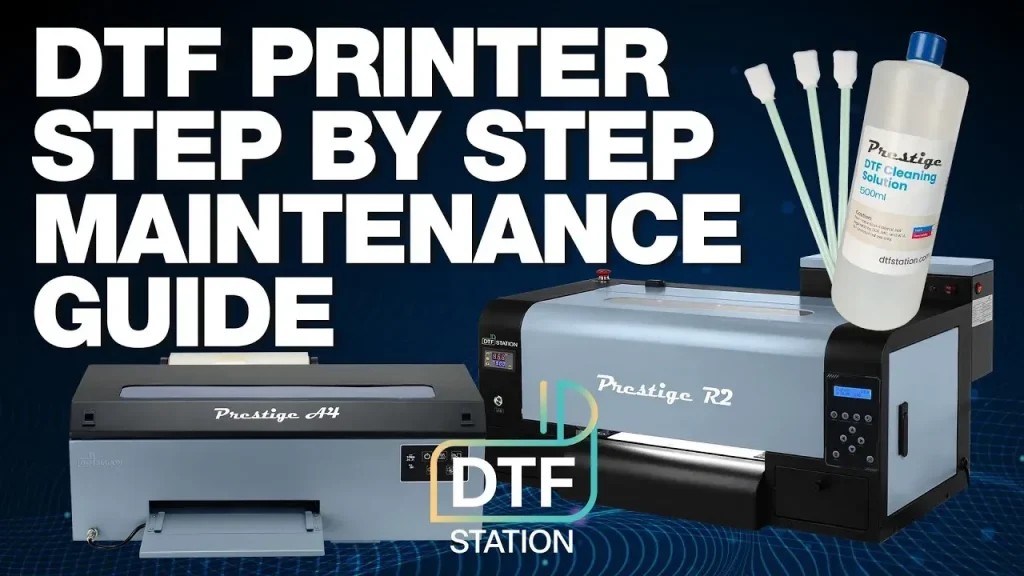
DTF maintenance is essential for consistent color, sharp details, and long-lasting prints. When you invest in direct-to-film technology, you are committing to a workflow that hinges on cleanliness, precise curing, and proper storage. This guide blends practical DTF cleaning tips, the DTF curing process, and DTF storage guidelines to extend equipment life and print quality. Following a structured Direct-to-film maintenance guide helps minimize downtime while maximizing ROI and reducing waste. By incorporating DTF film handling practices from this plan, you’ll protect media and achieve reliable, repeatable transfers.
Seen through a broader lens, this topic translates to printer upkeep, film handling stewardship, and overall process reliability. A holistic approach includes print-head care, media alignment, curing consistency, and adherence to storage discipline to protect color and adhesion. By using related terms such as equipment care, substrate management, and transfer integrity, you tap into LSI-friendly language that helps readers and search engines connect the concepts.
DTF Maintenance Fundamentals: A Holistic Approach to Cleanliness and Longevity
DTF maintenance is a holistic discipline that protects the printer, the film, and the final transfer. By integrating DTF cleaning tips, proper curing, and thoughtful storage, you create a reliable workflow that minimizes downtime and maximizes print quality. This approach emphasizes preventive care, not just problem solving, so your equipment remains consistent across shifts and batches.
In practice, DTF maintenance means regular attention to every contact point: print heads, dampers, transport belts, and film handling surfaces. A clean system reduces head clogs and ink buildup, while controlled curing secures colors and adhesion. Through disciplined DTF storage guidelines, you preserve media integrity and color fidelity, ensuring each run starts from a known, stable baseline.
DTF cleaning tips for a smooth workflow
A smooth DTF workflow starts with a repeatable cleaning routine. Emphasize DTF cleaning tips that address the most common touchpoints in your setup—print head areas, feed paths, and film handling surfaces—so you maintain sharp detail and consistent color transfer. Use manufacturer-approved fluids and lint-free swabs to avoid damaging protective coatings while removing residual ink and dust.
Establish a practical cleaning cadence that matches production volume. A weekly quick-clean keeps debris in check, while a quarterly deep-clean targets harder-to-reach areas. Remember that clean film handling surfaces directly influence curing consistency and adhesion, so routine attention to these areas is essential for reliable DTF film handling and overall print quality.
Optimizing the DTF curing process for color fidelity
Curing is a controlled chemistry, not a simple drying step. The DTF curing process determines color retention, adhesion, and wash fastness, so precise temperature and dwell time are non-negotiable. Align your settings with the film adhesive specifications and test batches to avoid undercured or overcured results that can degrade color and durability.
Even heat distribution and proper ventilation are critical to predictable outcomes. If your system uses multiple heat zones, periodically verify that each zone reaches and maintains the target temperature. Calibrate frequently and document parameters so you can reproduce successful results across batches, leveraging data from previous runs to refine the DTF curing process.
DTF storage guidelines to preserve film and prints
Storage conditions directly impact film integrity and color fidelity. Implement DTF storage guidelines that keep media in a cool, dry environment protected from direct sunlight and excessive humidity. Adequate temperature control and humidity management help preserve adhesive properties and prevent dimensional changes that could affect feeding and alignment.
Packaging, labeling, and stock rotation are essential components of a reliable storage strategy. Keep films in their original packaging or in airtight bags with desiccants, and label batches with expiry information. A disciplined FIFO approach ensures you use film within its shelf life, maintaining consistent results and minimizing waste.
Direct-to-film maintenance guide — practical tips you can start today
This section offers a pragmatic, day-one path to better maintenance. Build a routine that combines cleaning, curing checks, and storage as a standard practice rather than reactive tasks. A consistent routine reduces the likelihood of quality issues and keeps equipment operating near peak efficiency.
Documentation and training are foundational to lasting improvements. Record curing settings, stock lots, and outcomes for each batch, and train your team to follow standardized procedures for cleaning and handling. With a solid Direct-to-film maintenance guide, your operation becomes more predictable and scalable over time.
DTF film handling: best practices for consistent transfers
DTF film handling is a critical driver of transfer consistency. From fresh film to feed and take-up paths, minimize dust, fibers, and abrasive contact that can mar transfers. Use lint-free towels and non-abrasive tools to maintain smooth surfaces and reduce the risk of physical damage during loading and feeding.
Proper handling extends beyond the machine bay. Store and transport film with care to prevent warping, curling, or adhesive degradation. Regularly inspect film path components, seals, and masking surfaces to ensure they remain clean and aligned, supporting predictable, high-quality DTF film handling and transfers.
Frequently Asked Questions
What are the essential DTF cleaning tips to maintain print quality and prevent head clogs?
DTF cleaning tips emphasize routine maintenance of print heads, dampers, transport belts, and film handling surfaces. Start by powering down and unloading media, then inspect feeders and take-up rolls for residue. Use a manufacturer-approved cleaning fluid with lint-free swabs to gently wipe the print head area and surrounding components, avoiding aggressive scrubbing that can damage coatings. Establish a weekly quick-clean and a quarterly deep-clean schedule, adjusting frequency to your production volume to keep nozzle performance optimal.
How does the DTF curing process affect color retention and adhesion, and which settings should I use?
DTF curing process decisions govern color retention, adhesion, and wash fastness. Follow the film adhesive’s recommended curing temperature and dwell time, and ensure even heat distribution across the print to prevent shiny spots or color shifts. Start with test swatches when launching a new batch, then adjust temperature, time, and airflow based on fabric type, ink, and film batch, logging results for repeatability.
What are the best DTF storage guidelines to preserve film integrity and adhesive performance between runs?
DTF storage guidelines call for a cool, dry environment away from direct sunlight to protect film and adhesive properties. Keep films in original packaging or airtight bags with desiccants, label batches, and rotate stock using a first-in, first-out approach. Store rolls upright or flat in a clean area and inspect the film path after each run to prevent residue transfer; regular review of storage conditions helps preserve color fidelity.
What is a Direct-to-film maintenance guide for a typical shop, and how should I schedule routine cleaning, curing checks, and storage?
A Direct-to-film maintenance guide should cover daily cleaning checks, weekly curing checks, and monthly storage reviews, plus a quarterly system audit. Implement a practical timetable: daily quick wipe-down of the film path, weekly nozzle area inspection and curing equipment calibration, monthly deep cleaning of the print area and feed rollers, and quarterly firmware or printer calibration. This structure aligns with the Direct-to-film maintenance guide and ensures consistent output.
How should I handle DTF film handling to avoid scratches and misfeeds during production?
DTF film handling best practices include using lint-free towels and approved cleaners, avoiding abrasive materials, and keeping film paths clean to prevent scratches and misfeeds. Store rolls upright or flat in a controlled environment and feed stock with clean hands or gloves to minimize residue. Regularly inspect sensors and mask surfaces for dust that could mark transfers.
What is a practical DTF maintenance schedule that integrates DTF cleaning tips, the DTF curing process, and DTF storage guidelines?
A practical maintenance schedule combines daily cleaning tips, curing process checks, and storage guidelines: daily wipe-down of film path and surfaces; weekly nozzle checks and curing temperature verification; monthly deep cleaning of ink paths and equipment seals; quarterly firmware checks and calibration. Document curing settings, stock lots, and storage conditions to align with DTF cleaning tips, the DTF curing process, and DTF storage guidelines for repeatable results.
| Aspect | Key Points |
|---|---|
| Introduction | DTF maintenance essential for consistent color, sharp details, and long-lasting prints; investing in DTF means a workflow focused on cleanliness, precise curing, and proper storage; the guide covers cleaning, curing, and storage to extend equipment life and improve print quality. |
| Understanding DTF maintenance | Holistic approach across printer, film, and end product; prevents issues before they surface; cleaning targets print heads, dampers, transport belts, and film handling surfaces; curing is a controlled chemistry that locks colors and adhesives; mismanaged curing can cause tackiness, cracking, or fading; storage preserves film integrity and color fidelity. |
| DTF cleaning tips | Foundation of a smooth workflow: pre-cleaning checks; clean print head and nozzle area with approved cleaning fluid; use only solvents recommended by the supplier; wipe the film path and film handling surfaces; establish weekly quick-clean and quarterly deep-clean; ensure film handling areas are clean after each job to support curing reliability. |
| DTF curing process | Curing is controlled chemistry that determines color retention and adhesion; follow recommended temperature and dwell time; ensure even heat distribution; maintain ventilation and safety; perform tests/calibration with new batches; avoid overcuring and under-curing and document results. |
| DTF storage guidelines | Protect media and adhesives across runs: store in cool, dry places away from direct sunlight; use original packaging or airtight bags with desiccants; store rolls upright or flat and avoid warping; rotate stock (FIFO) and track batch details; post-run cleanup to remove adhesive residues. |
| Maintenance schedule | Daily: quick wipe-down of film path and touch surfaces; check debris and verify alignment marks. Weekly: full surface cleaning, nozzle area inspection, head health check; calibrate curing equipment and ensure temperature uniformity. Monthly: deep cleaning of print area and feed rollers; inspect seals and replace worn gaskets; review storage conditions. Quarterly: full system audit, firmware checks, calibration, and a comprehensive print test; update cleaning agents and storage practices as needed. |
| Troubleshooting | Faded colors/shifts: adjust curing temperature and dwell time; verify ink/film compatibility and printer calibration; ensure cleanliness of film handling surfaces. Peeling/cracking: reassess storage environment and curing; adjust parameters and adhesive compatibility. Head clogs/reduced nozzle: perform manufacturer-approved cleanings; review solvent choices; consult supplier if persistent. Print head alignment drift: check belt tension, carriage mounts, and head group changes; realign as needed. |
| DTF maintenance guide tips | Create a routine; document curing settings and batch data; use lint-free towels, approved cleaners, and non-abrasive tools; train your team on standardized cleaning, curing, and storage practices. |
Summary
DTF maintenance is a proactive practice that pays off in better print quality, reduced downtime, and longer equipment life. By applying consistent DTF cleaning tips, mastering the DTF curing process, and following solid DTF storage guidelines, you protect your investment and keep your operation running smoothly. Regular maintenance isn’t just a task; it’s a commitment to producing high-quality transfers that customers can trust. Embrace a structured maintenance plan, tailor it to your production level, and you’ll see improved outcomes across every batch of DTF prints.