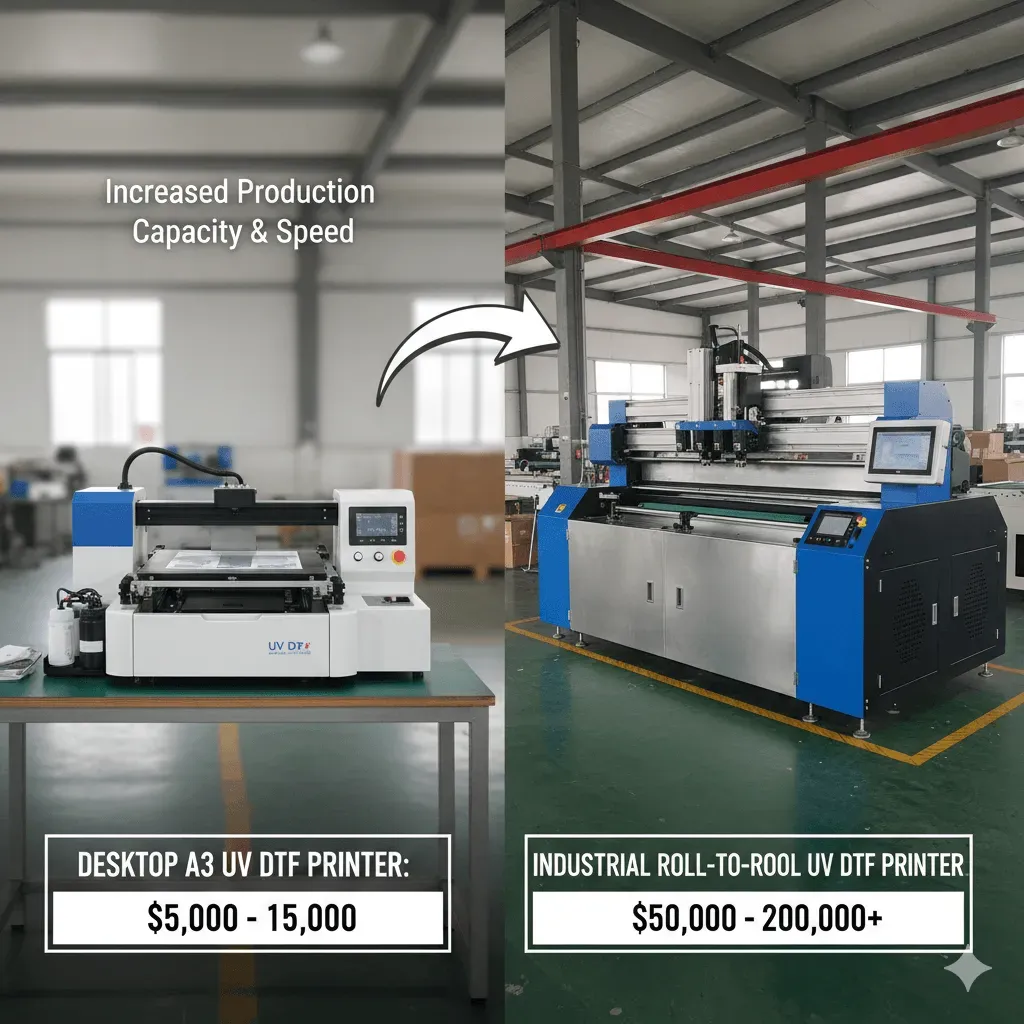
Cost-Effective DTF Setup is surprisingly approachable for solo entrepreneurs and hobbyists, because thoughtful planning, reliable gear, and a clear workflow can deliver professional transfers without bankrupting your budget, while still allowing for experimentation, growth, and seasonal project spikes. With this mindset, a beginner DTF setup can emphasize essential tools and conservative spending while still enabling you to learn the process, test ideas, and scale gradually as demand grows. Choosing an affordable DTF kit becomes a smart starting point, since bundled components save time, reduce decision fatigue, and let you focus on mastering design, color management, and the fundamentals of heat transfer. As you build confidence, you’ll benefit from practical transfer tips, documented workflows, and routine maintenance that minimize waste, protect your equipment investment, and improve consistency across batches. In short, starting lean does not mean sacrificing quality; it means optimizing every step from setup to final press and staying adaptable as you refine your craft.
In other words, this approach reframes DTF as a budget-aware textile transfer method that prioritizes efficiency, reliability, and scalability. You might hear it described as an entry-level DTF system, a cost-conscious printing workflow, or a compact kit that pairs a printer, film, powder, and heat press for small runs. By focusing on cost control, predictable outputs, and a streamlined process, creators can grow from enthusiast projects to small-batch production without repeatedly upgrading gear. In practice, this mindset translates to choosing dependable but affordable components, standardizing color management, and documenting SOPs that reduce waste and speed up training. As you explore these options, you’ll notice how related concepts like affordable equipment, efficient pressing, and durable transfers align to deliver value without compromising quality.
Cost-Effective DTF Setup: Smart Budgeting for Beginners
A Cost-Effective DTF Setup is within reach for beginners who want professional transfers without overspending. Framing it as a method rather than a one-off purchase helps you balance quality and cost, aligning with the idea that value comes from smart planning, reliable gear, and efficient processes. This approach supports a beginner DTF setup by prioritizing budget-friendly options and a streamlined workflow that minimizes waste and downtime.
Start lean with a plan that favors used or refurbished gear where appropriate, an entry-level printer with compatible white ink if available, and affordable DTF kit bundles that cover the essential steps from design to transfer. Remember that an affordable DTF kit can significantly reduce onboarding costs while still enabling a complete workflow, and you can scale later as demand grows.
DTF Printing on a Budget: Practical Gear and Workflow
DTF Printing on a Budget is achievable when you choose gear that delivers consistent results without premium price tags. Focus on reliable printers, a basic heat press, and dependable consumables that align with your output needs, ensuring you don’t sacrifice reliability for cost. This mindset keeps your operation steady as a beginner DTF setup evolves.
Adopt a simple, repeatable workflow to maximize efficiency: batch designs to minimize film changes, test color profiles, and calibrate your press. Implement practical DTF transfer tips—like even powder application, proper curing, and alignment accuracy—to maximize yield even when working with budget equipment.
Beginner DTF Setup: Affordable Kit Choices and Entry-Level Equipment
Starting with a beginner DTF setup means selecting an affordable kit that covers the full workflow—from design to transfer. Look for bundles that include the printer or printer-ready system, transfer film, adhesive powder, and starter powders, plus reliable supplier support. An affordable DTF kit can bootstrap your operations without draining upfront capital.
Pair your kit with a reliable, entry-level heat press and a compact workspace to keep costs manageable while you build proof-of-concept samples and small runs. As you gain confidence, you can expand with upgrades, and you’ll gradually learn the basics of DTF heat press operations and other budget-friendly improvements.
DTF Heat Press Basics: Achieving Consistent Transfers on a Budget
DTF heat press basics matter just as much as the printer—this is where design integrity becomes transfer quality. For a budget-conscious setup, prioritize even heat distribution, consistent platen contact, and straightforward controls that you can trust during every press.
Test smaller batches, calibrate pressure, and monitor temperatures to prevent hot spots and ghosting. A simple standard operating procedure around pressing times and temperature ranges helps you deliver consistent results without spending on premium equipment while staying aligned with your workflow.
DTF Transfer Tips: Reducing Waste and Improving Color Management
DTF transfer tips can dramatically reduce waste when budgets are tight. Ensure powder coating is even, film quality remains dependable, and alignment is precise to prevent reprints and material waste.
Use controlled test prints to manage color accuracy, simplify your palette, and maintain repeatable results. Regularly review ink, powder usage, and curing steps to avoid costly mistakes and keep output consistent, especially when working with budget-friendly gear.
Affordable DTF Kit Essentials: What to Look for in a Starter Bundle
An affordable DTF kit is the cornerstone of a cost-effective launch, but not every bundle is equal. Look for inclusive components that fit your needs: a printer or printer-ready system, transfer film, adhesive powder, starter powders, and clear documentation to guide your first runs.
Check supplier support, warranties, and the availability of replacement consumables. Prioritize kits that align with your workflow and space, and remember that bulk purchases of film and powder can lower ongoing costs while maintaining quality.
Frequently Asked Questions
What is a Cost-Effective DTF Setup and why is it a good choice for beginners?
A Cost-Effective DTF Setup is a plan that balances price and quality by using affordable gear and a streamlined workflow. For beginners, the two levers are inexpensive, reliable gear and a process that minimizes waste and downtime. This approach delivers durable, vibrant transfers while keeping operating costs under control; it’s a repeatable method, not a one-time purchase, that scales as demand grows.
How can you achieve DTF printing on a budget with a beginner DTF setup?
Start with an entry-level printer or a lightly used unit and choose an affordable DTF kit that covers the essentials. Focus on a simple, repeatable workflow: clean designs, straightforward color management, batch printing, and careful powder application. By calibrating your printer and press in test runs, you can deliver quality transfers without overspending.
What should you look for in an affordable DTF kit to support a cost-effective DTF setup?
Look for a kit that includes the core components—printer-ready system, transfer film, adhesive powder, and starter powders—from reputable suppliers at a discount. Ensure compatibility with your printer, availability of replacement parts, and good after-sales support. A well-chosen affordable DTF kit reduces onboarding costs while enabling a full workflow from design to transfer.
What are essential DTF transfer tips to improve results in a cost-effective DTF setup?
Ensure adhesive powder is evenly applied and properly cured, as uneven coating causes weak transfers. Use consistent alignment and a reliable heat press with even pressure, following manufacturer guidelines for time and temperature. Batch designs to minimize changes and keep the workspace clean to avoid dust and defects.
What are the DTF heat press basics I should know when starting a cost-effective DTF setup?
Choose a heat press with even heat distribution, a suitable platen size, and straightforward controls. Maintain accurate temperature and pressure, with regular calibration and platen alignment checks. Start with the manufacturer’s recommended settings and adjust cautiously based on fabric type and transfer test results.
How can you maintain and scale a Cost-Effective DTF Setup as demand grows?
Implement a simple SOP from design to final transfer and document it. Schedule routine maintenance, keep a buffer stock of consumables, and buy in bulk where possible. Track costs and yields per job to identify profitable products and guide future upgrades rather than chasing expensive equipment too early. This approach lets a beginner DTF setup grow into a scalable operation while preserving value.
| Topic | Key Points |
|---|---|
| Overview | A Cost-Effective DTF Setup balances cost with quality to produce durable, vibrant transfers; it’s suitable for beginners, hobbyists, and small shops expanding their product range. |
| Core Levers | A cost-effective setup relies on two levers: affordable gear that meets output needs and a workflow that minimizes waste and downtime, delivering consistent color and quick turnarounds. |
| Budget-friendly Gear | Entry-level printer (or lightly used unit) with compatible white ink if available; affordable DTF kit with printer, film, and powders; beginner-friendly heat press with even heat distribution and simple controls; basic workstation and consumables. |
| Smart Budgeting | Buy used or refurbished gear when possible; start with a smaller platen; source consumables in bulk; prioritize quality-critical components; plan for regular maintenance. |
| Workflow | Design/color management; Printing; Powdering and curing; Transfer and pressing; Finishing and quality control. |
| Step-by-Step Path | 1) Assess budget and space; 2) Choose starter kit; 3) Pick practical heat press; 4) Stock essential consumables; 5) Establish SOP; 6) Run test batches; 7) Schedule maintenance. |
| Common Pitfalls | Over-investing in features you don’t need; underestimating film and powder needs; neglecting color management; skipping calibration; ignoring maintenance. |
| Practical Tips | Use high-quality film and powders; batch designs to minimize changes; maintain an organized workspace; start with simple designs; track costs and yields to guide future purchases. |
Summary
Cost-Effective DTF Setup is achievable for beginners through careful planning, sensible gear choices, and an efficient workflow. By prioritizing essential equipment like an affordable DTF kit and a dependable heat press, and by tightening your process through standard operating procedures and regular maintenance, you can produce high-quality DTF transfers without overspending. The key is to start lean, test relentlessly, and scale as demand grows. With these strategies, you’ll master beginner DTF setup concepts, improve your product quality, and build a sustainable operation. Remember, cost-effective does not mean low quality—it means smart budgeting, disciplined process, and the discipline to reinvest wisely as your business expands. As you gain experience, you’ll unlock more efficient ways to achieve excellent results through DTF transfer tips and a solid understanding of DTF heat press basics, all while maintaining that critical focus on affordability and value.