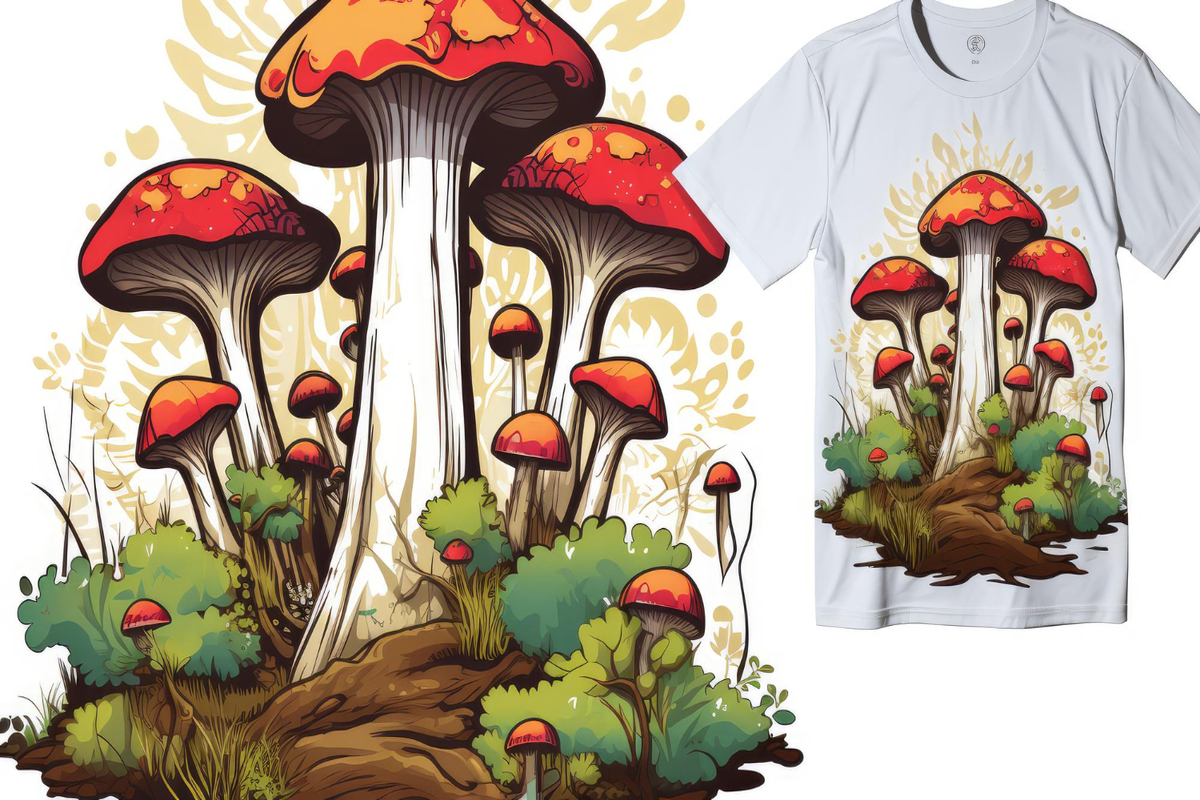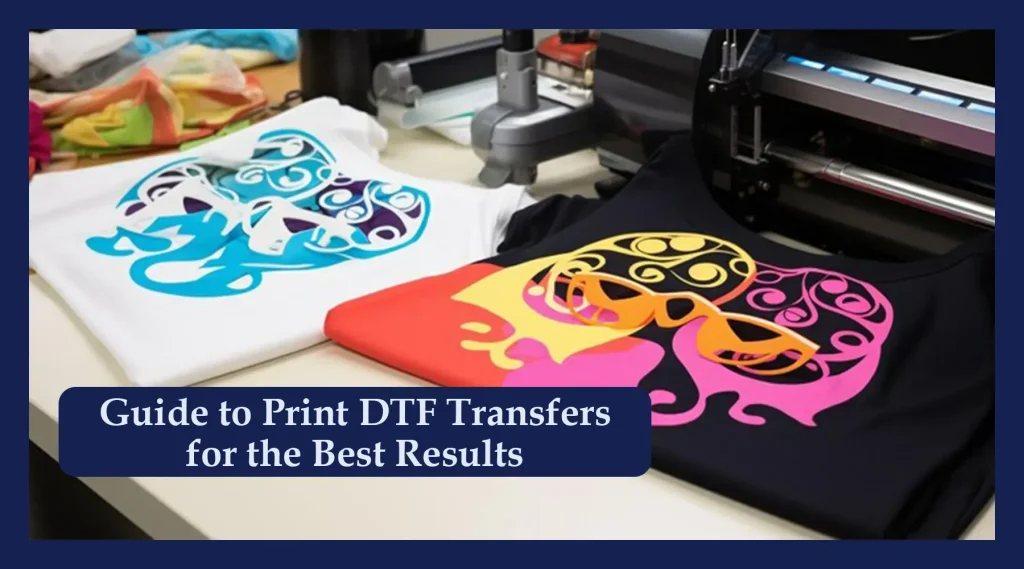
Design for DTF printing is more than a graphic choice; it’s a practical approach that shapes color, detail, and longevity. Understanding DTF printing design tips and DTF color management helps you predict how artwork will translate to film and fabric. By planning with durability in mind, you can reduce rework and improve wash performance through mindful Design considerations for DTF printing. This guide introduces practical steps and Best practices for DTF printing that empower designers to deliver vibrant results. From resolution and edge crispness to substrate variability and DTF durability testing, the approach connects creativity with production realities.
In other terms, this discipline translates artwork into a film-ready workflow that places designs on garments via heat-activated transfer. Think of it as optimizing visuals for a surface film, balancing color fidelity, edge definition, and the fabric’s response. The concept extends from digital sketches to a finished transfer through film, powder, and heat to produce durable, wearable graphics. Key LSIs to guide you include color management, print resolution, typography, and testing for wear, ensuring a reliable process across fabrics. By embracing a film-based printing mindset, designers can anticipate challenges and deliver consistent results across substrates.
DTF Printing Fundamentals: How Design Impacts Color, Detail, and Durability
DTF transfers are created by printing artwork onto a PET film, applying adhesive powder, curing, and heat pressing onto fabric. This process means your design must account for color fidelity, edge sharpness, and how textures interact with fibers. By embracing Design for DTF printing, you align your art with the printer’s color gamut, film coverage, and substrate behavior, setting the stage for reliable results and durable transfers. This is where Design considerations for DTF printing and DTF color management come into play.
Thinking in design terms before you start reduces rework and surprises in production. When you design with DTF in mind, you anticipate variability in color, texture, and fabric finish, and you plan margins, bleed, and file structure accordingly. This deliberate approach supports core topics like DTF printing design tips and best practices for DTF printing, helping you predict outcomes and communicate expectations clearly.
DTF Color Management: Achieving Consistent Hues Across Fabrics
Color management is the backbone of repeatable DTF results. Start by calibrating your monitor, using a reliable ICC profile, and choosing a color space suitable for your workflow. Decide whether to convert to CMYK before printing or run RGB-to-film tests to see which yields better vibrancy on your substrates. Build a small library of proof prints and swatches to anchor decisions, all within a framework of DTF color management and best practices for DTF printing.
Plan for color stability across fabrics and lighting. Dark fabrics, textured surfaces, and different blends can shift perceived hue, so your palette should include safe fallbacks and tested samples. Document color-separation choices, proof comparisons, and client notes to reinforce a consistent approach to DTF color management and Design considerations for DTF printing.
Resolution and Typography: Preserving Detail in DTF Transfers
Resolution and typography matter for crisp transfers. Aim for 300–600 dpi at the final print size and prefer vector elements for scalable text and shapes. Convert text to outlines or rasterize as needed to prevent font issues during printing, and leash lines with appropriate thickness to stay legible after heat application. This aligns with Design for DTF printing principles and general DTF printing design tips.
Manage fine lines, halftones, and gradients. Heat and film interaction can dull slender details, so test different stroke weights and gradient stops on your target fabrics. Consider adding subtle outlines or increasing contrast in midtones to preserve edge sharpness and overall detail across substrates, integrating ideas from DTF color management and best practices for DTF printing.
Design for DTF Printing: A Practical Framework for Artists and Designers
Design for DTF Printing: A Practical Framework for Artists and Designers. This section provides a hands-on framework for asset prep, color strategy, and workflow discipline that centers Design for DTF printing as a guiding principle. Use clearly labeled layers, plan separate elements for text, shapes, and textures, and align your choices with DTF color management and Best practices for DTF printing.
Practical steps include preflight checklists, consistent file naming, and keeping notes on substrate, ink, and curing conditions. By applying this framework, you reduce production surprises and improve reproduceability, tying back to DTF printing design tips and best practices for DTF printing.
Durability and Testing: Evaluating DTF Transfers in Real-World Wear
Durability and Testing: Evaluating DTF Transfers in Real-World Wear. Incorporate durability thinking from the start with wash and abrasion tests on representative fabrics to observe edge integrity, color retention, and texture fidelity. This is where DTF durability testing informs material choices and process adjustments for reliable results.
Document results, share actionable findings with clients, and iterate on design and process based on evidence. Consider post-processing steps such as light curing or heat-setting if appropriate for your adhesive powder and film, and align these practices with Best practices for DTF printing and DTF durability testing.
Workflow and Best Practices for DTF Design: From Concept to Client Proofs
Workflow and Best Practices for DTF Design: From Concept to Client Proofs. A robust workflow keeps you aligned from initial concept through final proof. Prep assets at high resolution with clearly labeled layers, perform soft separations, and generate proofs that reflect DTF color management expectations and design considerations for clients or production teams.
Maintain a library of tested designs, enforce consistent naming conventions, and document substrate and cure parameters for each project. This approach embodies Best practices for DTF printing and shares actionable Design tips for DTF that help you scale and deliver reliable results across jobs.
Frequently Asked Questions
What is Design for DTF printing and how does it affect DTF color management and print quality?
Design for DTF printing means designing artwork with the DTF process in mind—from color strategy to edge sharpness. It improves color management by guiding monitor calibration, color space choices, and proofing, leading to more predictable on-garment results. Practical steps include using high-resolution assets, converting text to outlines when needed, and preparing print-ready files with clearly labeled layers to support consistent color and detail.
How can I apply DTF printing design tips to improve durability testing outcomes and the longevity of transfers?
Apply DTF printing design tips by planning for durability from the start: choose color density appropriate for fabrics, print test swatches on the target material, and run standard wash and wear tests. Document results so you can reproduce durable transfers, and consider post-curing or heat setting if recommended by your materials. This aligns with DTF durability testing and best practices for DTF printing.
What design considerations for DTF printing help optimize color management and edge definition on multiple fabrics?
Key design considerations for DTF printing include selecting colors that perform well on the target substrate, planning margins and bleeds, and layering elements for depth. Use anti-aliasing to smooth curves and test on representative fabrics to calibrate perceived color and edge sharpness. Apply DTF color management principles throughout asset preparation to ensure consistent results across fabrics.
What is the process for DTF durability testing to ensure transfers withstand washes and wear under a Design for DTF printing approach?
Durability testing should start with a clear protocol: print on the intended fabric, apply consistent heat and cure conditions, and run wash and abrasion cycles. Use test swatches to evaluate edge integrity, color retention, and texture after each cycle, and document changes to refine your workflow within the Design for DTF printing framework. Reference DTF durability testing guidelines as you iterate.
Why is color separation and color management critical in Design for DTF printing, and how should designers approach it?
Color separation and color management are central to reproducing vibrant transfers. In Design for DTF printing, plan for CMYK or RGB-to-film workflows, build color swatches, proof prints, and adjust midtones for the CMYK gamut. Effective separation and thorough proofing help mitigate color shifts and maintain fidelity from screen to film to fabric.
What workflow practices embody Best practices for DTF printing within a Design for DTF printing approach?
Adopt a robust workflow: prep assets at high resolution with clear layer naming, perform soft color separations, provide proofs aligned with DTF color management, and maintain a library of tested designs. Ensure consistent file naming and detailed documentation to support repeatable results across projects, which embodies Best practices for DTF printing.
| Topic | Key Points |
|---|---|
| DTF Overview |
|
| Design for DTF printing Concept |
|
| DTF Printing Basics |
|
| Color Management for DTF Printing |
|
| Resolution, Detail, and Typography |
|
| Design Considerations: Colors, Details, and Durability |
|
| Durability: From Design to Longevity |
|
| Workflow and Best Practices for Designers |
|
| Common Mistakes to Avoid |
|
Summary
Below is an HTML table that summarizes the key points from the base content about Design for DTF printing. It covers DTF overview, design concepts, color management, resolution and typography, design considerations, durability, workflow, and common mistakes, providing a compact reference for designers.